Developer RetroValou released Vita Model 2 recomp — a static recompiler for Sega Model 2 arcade games for the PS Vita. The project is based on daytona-arcade-recomp (alphanu1) — the same recompilation that underlies, for example, the Daytona USA PSP port we have already covered — but extended to a general Model 2 “board” to which games connect as separate modules. The game code is translated into native code rather than emulated. The author warns that the project was made with Claude Code.
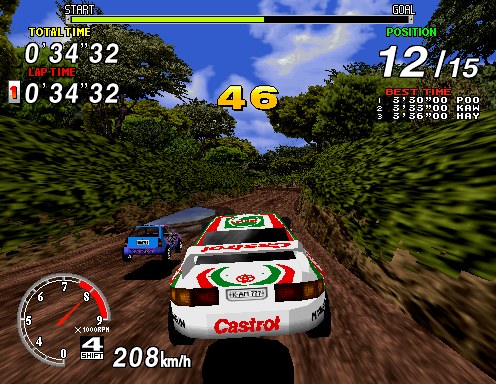
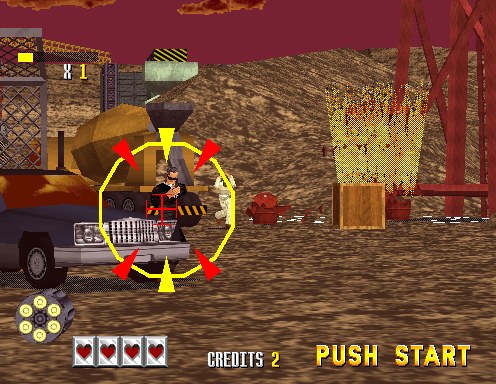
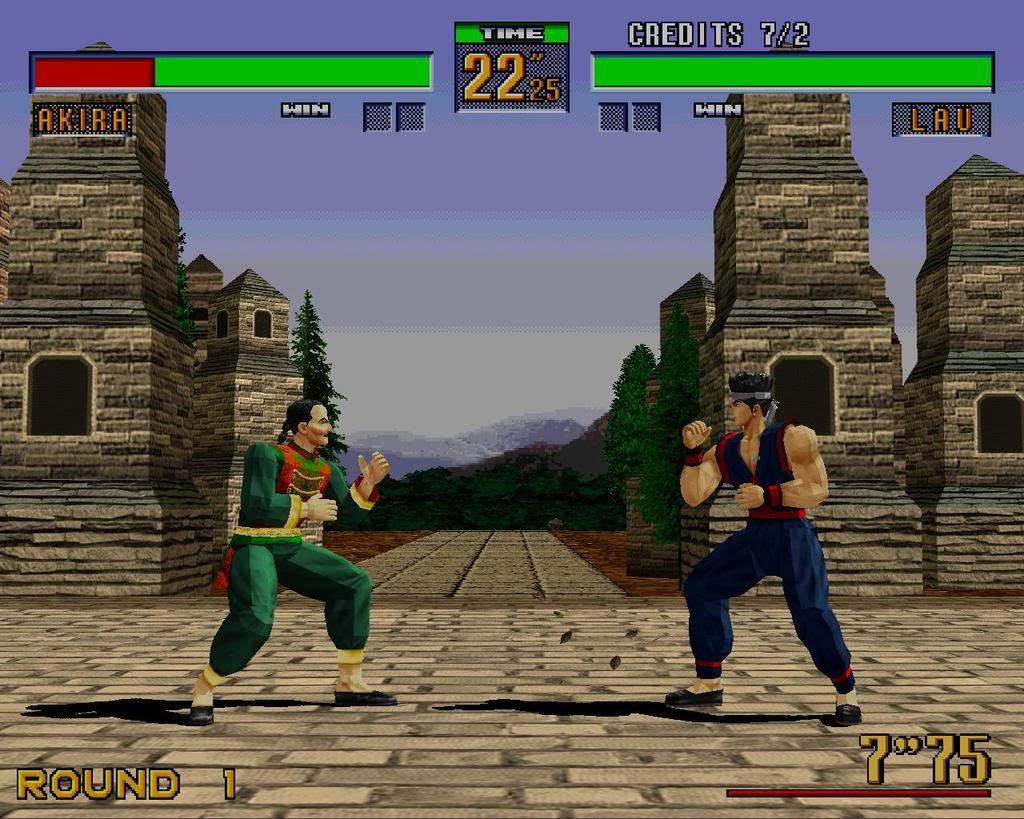
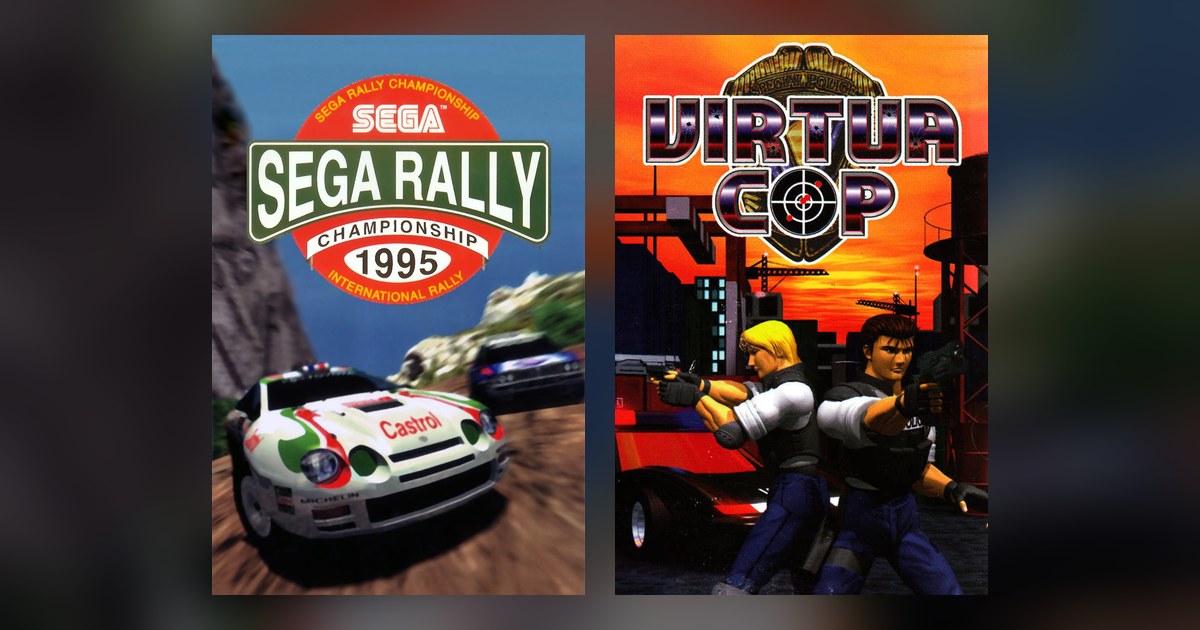
Seven games are currently supported: Daytona USA, Sega Rally Championship, Virtua Fighter 2, Virtua Cop, Virtua Cop 2, Manx TT Superbike and Dead or Alive — all at version 1.0, as separate VPKs that appeared on 22 October 2026. Only games on the original Model 2 and Model 2A boards work on the Vita: they run close to or at full speed in single-player mode; the touch screen replaces the light gun in Virtua Cop, and Manx TT is supported only in the Twin version. Fighting Vipers (Model 2B board) is recompiled only as a test — in fights it gets about 26 FPS instead of the arcade 57.5. Sky Target, Pilot Kids and a Switch port are planned.
What you need to run it. A modded PS Vita with libshacccg.suprx and your own ROM sets in MAME format — they must be full “merged” archives (for example, daytona93.zip, srallyc.zip, vf2.zip, vcop.zip), placed in ux0:data/<set name>/. The importer checks every file of the set by CRC. The repository has the source code and VPK build instructions. ROMs are not included.
Download and details: https://github.com/RetroValou/daytona-arcade-recomp
About the game
Sega Model 2 is Sega’s 1993 arcade board that hosted the major 3D arcade machines of the mid-’90s: the racers Daytona USA (1994) and Sega Rally Championship (1995), the fighting game Virtua Fighter 2 (1994), the light-gun shooters Virtua Cop (1994) and Virtua Cop 2 (1995), the motorbike racer Manx TT Superbike (1995), and Tecmo’s Dead or Alive (1996).
These games set the standards for 3D graphics in arcades: textured polygons, 60 frames per second and smooth animation. Many of them later came to the Sega Saturn and PC, but the home versions were noticeably inferior to the arcade ones.
Screenshots